What Victoria’s Bushfire Loss Estimate Means for Tradies
A practical reminder to check sums insured, exclusions and downtime risk
1
The information on this website is general in nature and does not take into account your objectives, financial situation, or needs. Consider seeking personal advice from a licensed adviser before acting on any information.
A new industry estimate has put the insured cost of Victoria’s January bushfires at $860 million, sharpening the focus on how quickly natural disaster losses can affect businesses that rely on vehicles, tools, workshops, stock and regional worksites.
For tradies, the important detail is not just the size of the loss, but where it landed: commercial property reportedly accounted for the largest share, ahead of personal property and motor losses.
The fires burned across central and northern Victoria from 7 to 13 January 2026, damaging rural and commercial assets across a wide footprint. While many claims have already progressed, the updated estimate shows that the financial picture can keep changing months after the flames are out. That matters for sole traders and small trade businesses because a major weather event can interrupt jobs, delay materials, damage equipment and create cash flow stress long before a claim is finalised.
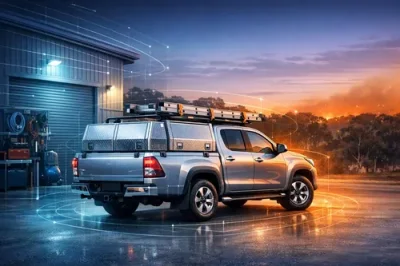
For a carpenter, plumber, electrician, concreter or mobile mechanic, bushfire exposure is not limited to a shed or office. A ute parked near a worksite, a trailer full of tools, temporary materials stored for a job, or specialist equipment kept at a regional property may all sit under different parts of an insurance programme. If one section has a low limit, a narrow definition of portable items, or an exclusion the business owner has not noticed, the gap may only become obvious at claim time.
This is why the latest estimate is a timely reminder to review whether your trades insurance cover matches how your business actually operates today. Many tradies start with a basic policy, then add staff, buy more tools, take on larger contracts, travel further, or store equipment in different locations. Each of those changes can affect what needs to be disclosed and what should be insured.
Key questions worth asking before the next fire season include:
Are tools and equipment covered away from your main premises, including in a locked vehicle or trailer?
Are sums insured based on current replacement costs, not what the gear cost several years ago?
Would business interruption cover help if a fire prevented access to a worksite or workshop?
Do policy conditions require particular storage, security or maintenance steps?
Are vehicles, trailers, plant and portable items insured under the right sections?
The broader premium pressure facing Australian businesses is unlikely to disappear while severe weather losses keep developing. But being underinsured is not a cost-saving strategy; it simply shifts more risk back onto the tradie. If your business has changed since your last renewal, speaking with a qualified broker can help you compare options, check exclusions and avoid nasty surprises when you need cover most.
Please Note: We do not endorse any specific products or companies. Some content is sourced from third parties, including press releases, and may not be independently verified for accuracy or completeness.
Fresh regulatory attention on insurance pricing practices is a timely reminder for Australian tradies to look past the headline premium and check whether the policy they are paying for still matches what was promised. ASIC has again put insurers on notice over the need for fair, accurate and well-controlled pricing systems, particularly where customers are told they will receive discounts, loyalty benefits or other premium adjustments. - read more
A fresh push to reform how NSW funds emergency services has put insurance affordability back in the spotlight, especially for small businesses that already feel every increase at renewal time. The issue centres on the Emergency Services Levy, which is applied through many insurance policies and has long been criticised by parts of the insurance sector as a disincentive to maintaining adequate cover. - read more
A fresh review of Australia’s cyclone reinsurance pool has put insurance access and affordability back in the spotlight for communities and small businesses across northern Australia. The pool was designed to reduce pressure on premiums for cyclone and cyclone-related flood damage by giving insurers access to government-backed reinsurance. - read more
APRA’s latest general insurance statistics point to a sector that is in a stronger financial position than it was during the worst of recent inflation, repair-cost and catastrophe pressures. For Australian tradies, that sounds positive at first glance: a well-capitalised insurance market is better placed to pay claims, support recovery after major loss events and keep products available across higher-risk occupations and regions. - read more
Income protection insurance is designed to offer financial security when you're unable to work due to illness or injury. It provides a steady income, usually up to 75% of your pre-tax earnings, helping you maintain your lifestyle while you focus on recovery. - read more
Commercial vehicle insurance can help tradies manage risks linked to utes, vans, trailers and other work vehicles used for business. This guide explains how business-use vehicle cover works, what it may include, what to check before buying a policy and how it fits with tools and broader trades insurance. - read more
For tradies across Australia, tools and equipment are vital to their daily operations. Imagine waking up to find that your essential tools have been damaged or stolen. The financial impact can be significant, affecting not only your ability to work but also your potential earnings. - read more
Tradies in Australia may need insurance because of legal obligations, licensing rules, contract terms or practical business risk. This guide explains the main situations where cover may be required and what to check before starting work. - read more
Knowledgebase
Loss of Use: Insurance coverage that pays for the additional living expenses if your home is uninhabitable due to a covered loss.



No comments yet. Be the first to share your thoughts.